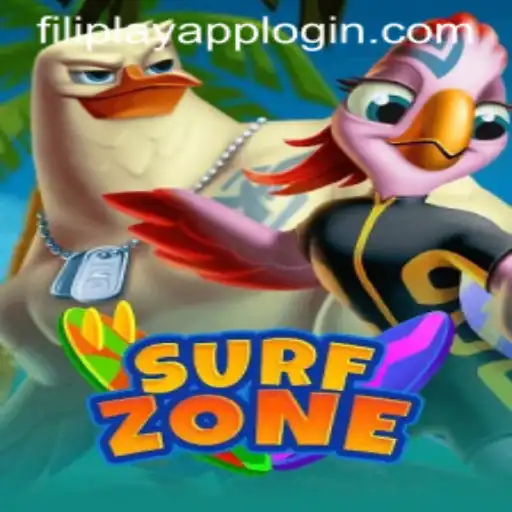
Explore SurfZone: The Exciting Game Revolution with Filiplay
Dive into SurfZone, an exhilarating game experience enhanced by Filiplay. From the basics to current trends, discover what SurfZone has in store.


Welcome to the immersive world of LuckyCrumbling, a game that masterfully intertwines strategic decision-making with the elements of chance, offering a unique experience to both novice and seasoned gamers. This innovative gaming experience, tagged with the keyword 'filiplay,' is quickly becoming a household name thanks to its engaging mechanics and dynamic gameplay. Let's explore the intricacies and appeal of this remarkable game.
LuckyCrumbling has swiftly captured the imagination of players worldwide, emerging as a symbol of modern gaming evolution. With its vibrant graphics and accessible interface, it appeals to a wide demographic, fostering a community of players who relish the excitement and uncertainty integral to the game. The buzz surrounding LuckyCrumbling is palpable, driven by both its innovative gameplay and the strategic acumen required to excel in it.
The game's launch coincides with a significant global shift towards interactive online gaming platforms, marking a pivotal moment in the digital entertainment landscape. This trend is bolstered by the increasing accessibility of high-speed internet and the rise of gaming as a mainstream cultural pastime. LuckyCrumbling rides this wave, presenting itself as not only a source of entertainment but also an opportunity for fierce but friendly competition among friends and strangers alike.
The core objective of LuckyCrumbling is simple yet tantalizingly complex: accumulate the most points by strategically crumbling blocks while navigating the unpredictable turns of fortune. At the onset, players are presented with a dynamic grid filled with various types of blocks. Each type carries a different point value, requiring players to strategize on which blocks to target for maximum gain. Crumbling blocks in successful sequences or combinations yields higher score multipliers, adding an exhilarating layer of strategy to each move.
Players must carefully consider their moves in each game round, as they are restricted by a set number of actions. Compounding this challenge is the inclusion of 'lucky' blocks, which appear at random intervals and can drastically alter the state of play. These blocks introduce an unexpected element, compelling players to adapt their tactics on the fly to maintain their advantage.
In LuckyCrumbling, success hinges on foresight and adaptability. Players benefit from meticulous planning, seeking to predict the cascading effects of each potential move on the grid. Advanced players learn to balance immediate reward against potential future gains, a decision-making process that grows in complexity with each turn taken. Yet, the chance element ensures no two games are alike, as luck can catapult an underdog to victory or humble a dominant leader in an instant.
This emphasis on strategic thinking has contributed to LuckyCrumbling's popularity in competitive gaming circuits, where players vie for prestige and prizes. The game’s nature encourages rivalries and alliances alike, as players collaborate to unravel strategies and share insights. Thus, the social component of LuckyCrumbling bolsters its appeal, forging a vibrant community where strategies and experiences are exchanged freely.
The rise of LuckyCrumbling parallels broader trends in gaming and entertainment, reflecting shifts in how audiences engage with interactive media. Recent advancements in digital technology enable seamless collaboration and competition across global borders, fostering connections and cultural exchanges through shared gaming experiences. LuckyCrumbling serves as a testament to this trend, offering a platform where diverse players converge, connected by their shared enthusiasm for a game that challenges both intellect and intuition.
Furthermore, the game's emergence aligns with an increased focus on mental agility and problem-solving skills in educational contexts. With educational institutions recognizing the cognitive benefits of strategic gaming, LuckyCrumbling experiences renewed interest from educators seeking to incorporate such tools into their curricula. As players navigate its challenges, they inherently hone skills applicable beyond the gaming sphere—adaptive thinking, strategic planning, and cooperative problem-solving.
The gaming industry's trajectory suggests that interactive and strategic games like LuckyCrumbling will continue to capture public interest. As the lines blur between virtual and physical realms, games of this nature will take on even greater significance, shaping narratives and experiences for future generations of gamers.

If you're looking for a reliable, fully licensed, and secure sportsbook with a wide selection of games, filiplay is the perfect choice. We're committed to providing you with the best online betting experience, with premium quality, excellent service, and continuous innovation. Sign up now and receive ₱777 for free!
Join now
Get the latest information, experience and betting strategies from the expert team at filiplay.
Dive into SurfZone, an exhilarating game experience enhanced by Filiplay. From the basics to current trends, discover what SurfZone has in store.

Explore the captivating world of HoHoHo, an innovative new game offered by filiplay. Discover its intriguing gameplay, introduction, and rules.

Dive into the electrifying world of RaveJump2, a sensational game in the Filiplay ecosystem where rhythm meets adventure.

Discover the enchanting realm of DragonsTavern, a captivating game that marries fantasy and strategy. Uncover its gameplay nuances, rules, and how it ties into current gaming trends.
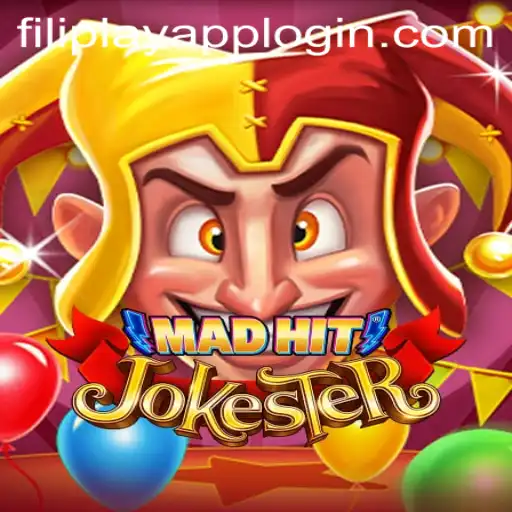
An in-depth exploration of the game MadHitJokester and its unique gameplay mechanics.

Discover the captivating universe of HotCoins, a revolutionary crypto-based game, explore its gameplay dynamics, rules, and current relevance.
 Join now